
The roof is one of the most critical components of any building, providing essential protection from the elements. Regular maintenance can greatly reduce the likelihood of extensive repairs. This article explores the key maintenance activities to keep your roof in top condition. By understanding common issues and how to address them proactively, homeowners can extend the life of their roofs. A well-maintained roof not only enhances the aesthetic appeal of your property but also ensures safety and improves energy efficiency.
How Often Should I Inspect My Roof?
Frequency Based on Roof Material
The frequency of roof inspections largely depends on the material of your roof. Asphalt shingles, for example, generally require inspection every year, as they are more prone to weathering and degradation. On the other hand, metal roofs, known for their durability, may not need more than a check every two to three years. Regardless of material, however, it’s crucial to stay vigilant for any signs of wear. By tailoring the inspection frequency according to the material, you can address potential issues before they escalate into significant problems.
Another factor is the lifetime of the roofing material. For instance, asphalt shingles have a lifespan of about 20 to 30 years, necessitating frequent check-ups in later years. In contrast, tile roofs last significantly longer, upwards of 50 years, but still benefit from regular inspections to prevent issues like cracked tiles. Materials like slate also require attention to specific problems such as slippage or chipping. Understanding these variations is key to maintaining a roof that performs well throughout its intended lifespan.
Moreover, the age of your roof is an important consideration. Newer roofs may not require as much attention, but older roofs, especially those nearing the end of their expected life, should be inspected more regularly. Proactively inspecting your roof and adopting a schedule aligned with its material and age can help identify red flags early on. This practice not only saves costs in the long run but also provides peace of mind. A proactive approach fosters longevity and resilience against the elements.
Seasonal Weather Impact on Inspections
Weather plays a significant role in determining the timing of roof inspections. After harsh winters or intense storms, it’s vital to hire roof repair services to examine your roof for potential damage. Freezing temperatures and snow can cause expansion and contraction in roofing materials, leading to cracks and leaks. Similarly, spring and fall are ideal times to schedule routine inspections as they prepare your roof for the winter months and repair any damage caused by summer heat or heavy rains. The changing seasons bring diverse challenges, necessitating a thorough and strategic approach to roof maintenance.
Additionally, areas prone to extreme weather events such as hurricanes or tornadoes should consider more frequent inspections. High winds can loosen shingles or debris can cause punctures, all of which can lead to significant issues if left unaddressed. Being attuned to when your area is most susceptible to such conditions can guide your inspection calendar. In doing so, you safeguard against unexpected repair costs and protect the structural integrity of your home. Understanding seasonal impacts allows you to preemptively tackle vulnerabilities before they develop into serious concerns.
Veteran homeowners often develop a schedule that aligns inspections with seasonal transitions. By inspecting after each major weather shift, you minimize the risk of minor issues becoming larger problems. This proactive measure also contributes to your roof’s longevity while ultimately saving you money. Whether handling the inspections DIY or calling in professionals, it’s crucial to prioritize these seasonal reviews. Even minor repairs can have a significant impact, with the potential to stave off major replacements further down the line.
Signs to Look for During Inspections
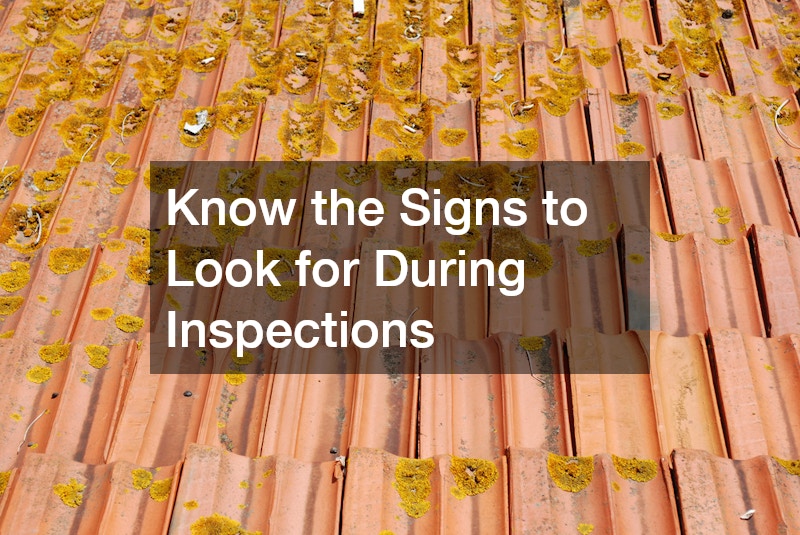
During a roof inspection, there are several signs to watch for that could indicate a need for repairs. Missing or loose shingles can be one of the most immediate threats, as they expose the underlying materials to weather damage. It’s also important to look for any discoloration which might suggest mold, mildew, or water damage. Checking for any granules from shingles in your gutters is crucial, as this can indicate the aging and deterioration of your roof’s surface. Lastly, pay attention to any sagging areas which might signal structural concerns.
Identifying water damage starts with visible signs like stains on ceilings and walls. Water marks may be faint, but any discoloration can signify a leaky roof. Additionally, inspecting your attic is key for signs of moisture, such as patches on the insulation or framing. The presence of mold in the attic usually correlates with roof leaks or high humidity levels. Proactively identifying these invisible signs ensures that repairs are made in a timely manner, preventing further damage and maintaining a healthy roof.
Besides visual clues, other indications can also alert homeowners to potential roof issues. For instance, an increase in energy bills might be symptomatic of inadequate roofing insulation. Moreover, unusual noises during storms, like creaks or whistling, could suggest weakened areas or loose parts. Keeping these factors in mind during your inspections can be crucial for maintaining both the functionality and integrity of your roofing system. Incorporating a comprehensive checklist into your inspection routine enables prompt interventions and enhancements in roof preservation.
Utilizing Professional Roofing Services
Engaging professional roofing services can enhance the longevity and performance of your roof. Roofers are trained to identify problems that can be easily overlooked by untrained eyes. Drone inspections, for example, offer an aerial perspective that can uncover issues not visible from ground level, such as hidden leaks or weak points. Additionally, professionals bring the necessary tools and safety equipment to perform thorough inspections safely. This ensures that even the most challenging-to-spot issues are addressed promptly.
Professional services extend beyond just inspections, offering a variety of maintenance solutions. From sealing and repairing leaks to replacing damaged materials, tapping into their expertise can prevent minor issues from blossoming into major repairs. They also stay up-to-date with the latest roofing technologies and materials, which can inform better replacement options and long-term upgrades for your home. Establishing a rapport with a reputable roofing service guarantees readiness when emergencies arise or routine evaluations are due. This partnership can be a cornerstone in achieving extensive roof longevity.
Many roofing companies also provide preventative maintenance programs. These programs typically include regular inspections, minor repairs, and cleaning services, tailored to the specific needs of your roof. By subscribing to such services, you can ensure that maintenance becomes a regular and permanent part of your home’s upkeep. This commitment can result in a more predictable budget for roof care, while simultaneously increasing your roof’s lifespan. Professionals are particularly valuable for roofs with complex structures or those made of unique materials.
DIY Inspection Tips and Safety Precautions
For homeowners who opt to carry out inspections themselves, several tips and safety precautions can make the process more manageable. First, always ensure you have the proper equipment, such as a sturdy ladder, rubber-soled shoes, and protective eyewear. It’s also crucial to carry out roofing tasks on a dry day to prevent slips and falls. Additionally, having a friend or family member present for support and assistance can enhance your safety. By preparing adequately, DIY inspections can be both effective and secure.
Before embarking on any DIY task, familiarize yourself with the common signs of roof damage, such as those already mentioned. Having a checklist can guide you systematically through each area that requires evaluation. Start from the ground to spot visible issues and then progress to roof level. When working at height, always ensure that your ladder is positioned securely and that your tools are easily accessible. These preemptive measures not only prevent unnecessary accidents but also improve the thoroughness of your inspection.
Safety should remain a top priority throughout the DIY process. Be mindful of how weather conditions can impact your work. Avoid inspections on windy days or when conditions might make surface tiles slippery. Furthermore, tread carefully to minimize damage to shingles or tiles. If at any point the inspection feels unsafe or outside your expertise, do not hesitate to consult with a professional. A combination of DIY initiative and professional oversight often provides the most comprehensive care for your roof.
What Are the Essential Roof Cleaning Practices?
Cleaning Gutters and Downspouts
Regular cleaning of gutters and downspouts is fundamental to maintaining a healthy roofing system. Leaves and debris can accumulate in these areas, preventing water from properly draining away from the roof and foundation. When gutters are clogged, water can overflow, causing damage to both your roof’s structure and the building’s walls. Ensuring a clear passage not only reduces the risk of leaks but also helps in the prevention of ice dams in colder months. Cleaning these areas at least twice a year, especially in spring and fall, is advisable for optimal performance.
Beyond simply preventing obstructions, clean gutters contribute to a safer environment. Neglected gutters can become breeding grounds for pests and mold, both of which pose significant health risks. By maintaining a regular cleaning schedule, you can avoid infestations and preserve the structural integrity of adjacent building components. Utilizing tools such as trowels or gutter cleaning kits can streamline the procedure, making it manageable for most homeowners. However, if gutter systems are intricate or otherwise difficult to access safely, professional cleaning services are recommended.
The longevity of your gutters themselves also benefits from consistent maintenance. Checking for any loose or damaged sections, and promptly addressing these, can prevent unexpected failures during heavy rainfall. Many opt for installing gutter guards to minimize the risk of clogging and reduce cleaning frequency. Selecting appropriate materials for these accessories enhances overall efficiency and sustainability. A simple yet disciplined cleaning regimen can therefore offer tremendous dividends in maintaining your roof’s health and functionality.
Removing Debris from the Roof Surface
Keeping your roof free of debris is critical in preventing unnecessary wear and tear. Twigs, leaves, and other debris can trap moisture, ultimately leading to mold and rot that can deteriorate roofing materials. Regularly sweeping or using a leaf blower can efficiently clear your roof’s surface, particularly between seasonal changes. This practice can help maintain not only the appearance but also the functionality of your roof. By ensuring a clean surface, you mitigate various risk factors and extend the roof’s lifespan.
When removing debris, it’s important to exercise caution to avoid potential damage to the roofing material. Use gentle tools to ensure tiles or shingles remain unscathed and work methodically to cover all areas. Start from the roof’s peak and work your way down to ensure debris is effectively directed towards the gutter system. Additionally, removing debris sooner rather than later prevents the onset of problems such as blocked drainage or algae growth. Consistency in this cleaning regimen goes a long way in combatting premature roof deterioration.
Besides manual cleaning, rinsing your roof with water occasionally can help remove smaller particles that may be left behind. However, high-pressure washers should be avoided, as they can erode protective granules from shingles or cause structural issues. If in doubt, consulting a roofing specialist for advice on the best cleaning methods for your specific roof type is always a good approach. Incorporating debris removal as a regular task ensures that issues related to moisture accumulation or structural stress are minimized. This consideration is key to preserving the integrity and performance of your roof over time.
Preventing Moss and Algae Growth
Moss and algae can be major culprits in compromising the beauty and effectiveness of roofing systems. They thrive in moist environments and can quickly spread if not adequately managed. Their presence often acts like a sponge, holding moisture against the roof, leading to rot or deterioration of shingles. Therefore, addressing growth early is crucial in preventing escalation. One effective approach is utilizing chemical solutions specifically designed for moss and algae removal but used sparingly to avoid damage to the roof materials.
Rainy or heavily shaded areas are more prone to algae growth, meaning those homeowners should be particularly vigilant in their cleaning efforts. Zinc or copper strips can be installed along the roof’s peak to prevent algae colonization naturally, offering a long-term deterrent. Additionally, trimming nearby trees can increase sunlight exposure, minimizing the favorable conditions for such growths. These actions not only enhance your roof’s appearance but also contribute to its resilience against environmental stresses.
Regularly scheduled cleaning can preemptively address potential areas of moss and algae development even before visible growth occurs. Furthermore, incorporating algae-resistant shingles during re-roofing projects can significantly reduce future risk. Keeping gutters clean also contributes by preventing water from backing up onto the roof surface. Budgeting time for these preventive measures in your roof maintenance routine can ensure that issues related to moss and algae are avoided, preserving the structural and visual appeal of your home for years to come.
Using the Right Cleaning Products
Choosing the correct cleaning products is essential in maintaining your roof’s condition without causing harm. Some household cleansers might contain harsh chemicals that can erode materials, particularly shingles, which are sensitive to certain substances. Eco-friendly clean solutions are widely available and specifically designed for roof cleaning tasks. These products not only help preserve roofing materials but are also safer for surrounding landscapes and environmental health. Consulting with professionals about the best products for your specific roofing type ensures you avoid unnecessary damage while achieving the best possible cleaning results.
For instance, oxygen bleach solutions are highly recommended for removing grime and staining without adverse effects on the protective layers of shingles. Products that list sodium hypochlorite should be used with caution, as they can hasten shingle erosion and impact metal components. In cases of stubborn stains or moss, employing the expertise of a roofing professional can help ensure effective removal while safeguarding the roof’s lifespan. Understanding the potential impacts of different cleaning agents is crucial when planning maintenance activities.
Many homeowners prefer to blend DIY efforts with professional advice, maintaining regular cleaning with environmentally friendly products while scheduling periodic professional cleanings. Professionals often have access to industry-specific products that offer advanced cleaning without compromise to material integrity. A balanced approach in your selection of cleaning products helps the roof remain fully functional, sustaining a peak condition that protects your home and contributes to its overall value. Consistent care in selecting appropriate cleaning solutions underlines a proactive approach toward roof preservation.
Safety Measures During Roof Cleaning
Safety cannot be overemphasized when performing roof cleaning tasks. Ensuring the right equipment is on hand is imperative, such as safety harnesses, non-slip footwear, and stable ladders. Cleaning during appropriate weather conditions, avoiding wet or windy days, is crucial in minimizing slip risks. Always make sure the ladder is securely positioned and that you have an assistant nearby in case of emergencies. These foundational precautions are essential in any roof cleaning venture, safeguarding both you and your property.
Additionally, be aware of electrical wires when maneuvering tools or hoses on your roof. Establishing a safe plan for accessing the roof with minimal exposure to such hazards will decrease the risk of electrical shock or interference. If you’re cleaning for the first time, consider shadowing a professional to learn best practices in safety and technique. The same principles apply if you’re using chemical cleaning solutions, as avoiding contact with skin or inhalation is necessary to prevent injury. Adopting a safety-first mindset consistently ensures that roof maintenance can be carried out efficiently and without danger.
Notably, working with a partner can provide an added layer of safety. Your partner can help secure equipment, assist in transporting tools, and provide immediate aid in case of an urgent situation. Enabling a buddy system also promotes collaborative problem-solving and keeps the process efficient. Never underestimate the potential impact of weather and physical factors on roof cleaning endeavors. By adhering to steadfast safety practices, you can maintain your roof confidently, achieving longevity while minimizing risk and exposure to accidents.
How Can I Maintain Roof Flashing?
Understanding the Purpose of Flashing
Roof flashing plays a crucial role in protecting your home from water intrusion. Installed at joints, valleys, and edges where the roof meets a vertical plane or where materials change direction, flashing acts as a barrier against moisture. Made from materials like aluminum, copper, or galvanized steel, they effectively direct water away from vulnerable areas. Proper functioning flashing helps prevent leaks that could otherwise cause extensive damage to a building’s interior. Recognizing the importance of flashing underscores the need for diligent maintenance practices to keep your roof safe from water infiltration.
Each piece of flashing is strategically positioned to manage water flow and safeguard structural elements. Flashing prevents rainwater from seeping into nooks and crannies, which might lead to mold, wood decay, or interior water stains. Understanding the criticality of each installation helps homeowners appreciate why regular inspection and upkeep of the flashing are paramount. Minor lapses in flashing integrity can lead to costly repairs or replacements if water successfully penetrates roofing layers. Therefore, establishing a routine for its evaluation aligns with overall roof longevity and home integrity.
Flashing versatility extends across many roof types, including shingled, tiled, or metal roofs, helping each perform optimally. Knowledge of different types of flashing, whether step, continuous, or counter, aids homeowners in identifying their specific needs and potential weak points. Professional installers ensure precision in length, angle, and overlap during the flashing setup phase. Expert insight is indispensable for pinpointing less obvious vulnerabilities, securing the roofing system’s reliability. As an essential component, flashing maintenance should be non-negotiable in any comprehensive roof care plan.
Identifying Common Flashing Issues
Understanding potential flashing issues is critical in maintaining a waterproof roof. Loose or improperly installed flashing can create gaps, allowing water to seep beneath roofing materials. Over time, exposure to temperature fluctuations may cause materials to contract and expand, resulting in cracking or warping. Additionally, corrosion presents a risk with some metals, leading to compromised performance and leaks. Catching these problems early can prevent wider-scale damage, aligning with a proactive maintenance strategy that protects your home.
Instances of missing flashing or improper sealing lead to predictable problems like interior water damage or decay of underlying roofing elements. Homeowners can identify issues by looking for signs such as bent metal, gaps at junctions, or peeling sealant. Regularly checking for rust on metal flashing ensures preventive measures can be taken before significant issues arise. Practically, noting the flashing’s condition during each roof inspection provides a comprehensive picture of overall roof health. Partnering visual checks with expert advice ensures long-term resilience against environmental threats.