Older homes possess a charm and character that new constructions often cannot replicate, with unique architectural details, intricate woodwork, and a sense of history. Yet, many older homes were built long before energy-efficient standards and modern systems existed, leaving them less comfortable and more expensive to maintain. Renovating these homes for modern efficiency requires a careful balance of preservation and improvement, addressing everything from the exterior to interior systems while keeping the character intact. The goal is to enhance comfort, performance, and sustainability without sacrificing style.
Renovation decisions should focus on high-impact areas, particularly systems that influence energy use, water efficiency, and safety. Updating these elements often leads to long-term cost savings, better indoor air quality, and improved overall home durability. Combining smart upgrades with careful restoration creates a home that blends history with contemporary convenience. The following ten strategies provide actionable guidance for homeowners looking to improve older properties for modern efficiency and performance.

Assess and Upgrade Your Exterior for Long-Term Durability
The exterior is a home’s first defense against the elements, and older homes are often more vulnerable due to aging materials. Inspect your siding, stucco, and foundation for cracks, water damage, or deterioration. Working with a local siding company ensures that repairs or replacements are performed professionally, providing better insulation and protection against drafts. For stucco surfaces, stucco remodeling can restore both structural integrity and aesthetic appeal. Proper exterior maintenance prevents moisture intrusion, which can lead to rot, mold, or pest issues. Regularly maintaining gutters, downspouts, and flashing is equally crucial to avoid water-related damage that can compromise energy efficiency.
Upgrading the exterior also improves curb appeal and property value. Consider using high-quality, energy-efficient materials that retain the home’s historical look but provide better insulation. Modern exterior finishes can reduce heat loss in winter and heat gain in summer, creating a more comfortable interior environment. Additionally, adding weatherstripping around doors and windows enhances energy performance while reducing unwanted drafts. Investing in these exterior improvements allows homeowners to protect their home for decades while enjoying modern energy savings.
Optimize Heating and Cooling Systems for Maximum Efficiency
Older homes often feature outdated heating and cooling systems that are less energy-efficient and prone to uneven temperature distribution. Collaborating with a professional HVAC contractor ensures your heating, ventilation, and air conditioning systems are evaluated, repaired, or replaced appropriately. High-efficiency HVAC units can provide consistent comfort while reducing energy consumption. Coupled with modern thermostats, zoning systems, and proper duct insulation, these upgrades create a more efficient and controllable environment. Regular maintenance, such as cleaning coils and replacing filters, also ensures optimal system performance over time.
Energy-efficient HVAC systems improve indoor comfort and significantly reduce utility costs. Pairing system upgrades with insulation improvements in walls, attics, and basements maximizes the benefits. For example, sealing leaks in ductwork prevents wasted energy and uneven temperatures in different rooms. Consider options such as heat pumps, which can provide both heating and cooling while using less energy than traditional systems. These improvements not only enhance day-to-day living but also increase the home’s resale value, attracting buyers who prioritize efficiency and comfort.
Modernize Plumbing for Safety and Reliability
Plumbing is often overlooked in older homes but can pose serious risks if not updated. Working with a professional plumber allows you to inspect pipes, fixtures, and water heaters for corrosion, leaks, or outdated materials. Replacing old pipes with modern alternatives, such as PEX or copper, enhances water quality, prevents leaks, and improves overall system reliability. Updating bathrooms and kitchens with low-flow fixtures and water-efficient appliances conserves water and reduces utility bills. Proactive plumbing renovations prevent costly emergencies while increasing the home’s long-term value.
Beyond functional improvements, plumbing upgrades contribute to home safety. Old galvanized pipes can accumulate rust and reduce water pressure, while outdated water heaters may fail prematurely. By modernizing the system, you create a safer environment and ensure consistent water supply. Adding features like tankless water heaters or smart leak detectors further enhances efficiency and convenience. Overall, investing in plumbing modernization is a critical step in aligning an older home with modern performance and safety standards.
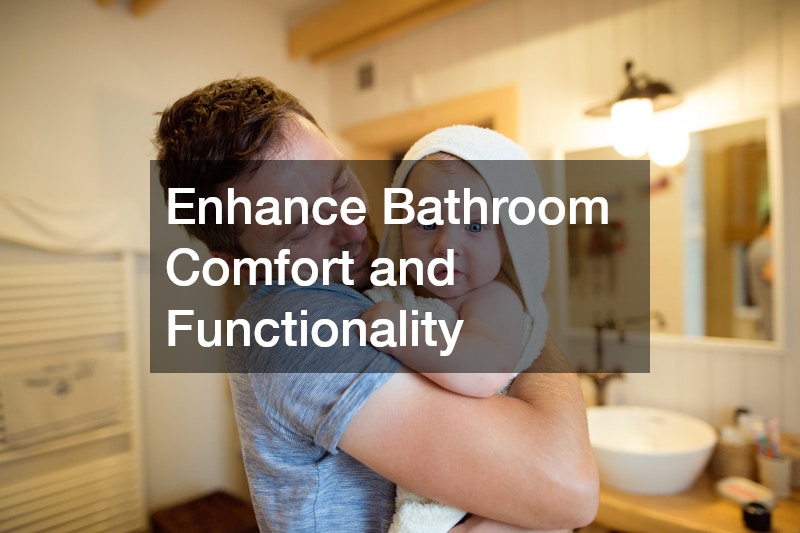
Enhance Bathroom Comfort and Functionality
Bathrooms in older homes often lack modern features, resulting in reduced comfort and efficiency. Incorporating updates like low-flow toilets, energy-efficient water heaters, and whirlpool repair options can enhance both functionality and luxury. Replacing outdated fixtures not only improves water conservation but also provides a more enjoyable daily experience. Adequate ventilation is crucial to prevent moisture buildup, which can cause mold or damage to cabinetry, walls, and flooring. Upgrading lighting and adding energy-efficient LED fixtures can reduce energy consumption while enhancing the room’s overall ambiance.
Renovating bathrooms also increases property value and functionality for household members and future buyers. By choosing high-quality materials and modern finishes that complement the home’s historic character, you preserve the property’s charm while addressing contemporary standards. Simple additions, such as storage solutions or dual-sink vanities, can significantly improve usability. Combining aesthetic updates with performance improvements ensures that bathrooms are not only visually appealing but also sustainable, functional, and comfortable for years to come.
Revitalize Your Landscape for Energy and Water Efficiency
Landscaping can influence your home’s energy efficiency and water usage. Strategically planting trees can provide natural shade, reducing cooling costs during summer months. Partnering with professional tree service providers ensures safe trimming, removal, or maintenance of older trees that may pose hazards. Incorporating or upgrading sprinkler systems with automated and programmable options allows for precise watering, reducing waste while maintaining lush, healthy landscapes. Proper landscape planning prevents root intrusion that can damage foundations and outdoor structures.
Efficient landscaping also contributes to long-term property value and aesthetics. Using drought-resistant plants or native species minimizes water consumption while creating a visually appealing yard. Maintaining proper grading around the home prevents water from pooling near the foundation, which could lead to damage or leaks. By combining thoughtful planting, professional tree care, and modern irrigation systems, homeowners can create outdoor spaces that are both environmentally responsible and enjoyable, enhancing efficiency and livability.
Upgrade Your Garage for Utility and Longevity
Garages in older homes often receive minimal attention, yet they are critical for energy efficiency, storage, and protection from the elements. Installing a durable garage floor covering, such as epoxy or rubber tiles, shields concrete from moisture, stains, and wear. Proper insulation of walls and ceilings reduces energy loss and makes the space more comfortable year-round. Sealing gaps around doors and windows further prevents drafts and enhances energy performance. Additional storage solutions and workspaces can transform a garage into a versatile, functional area.
A well-maintained garage also protects vehicles and stored items from damage caused by moisture, pests, or extreme temperatures. For homes with older mechanical systems in the garage, adding insulation or climate control can prevent equipment malfunctions due to temperature fluctuations. By upgrading the garage thoughtfully, homeowners enhance home functionality while extending the life of structural elements and stored possessions. This creates a safer, more organized, and energy-efficient space that complements the renovated home.
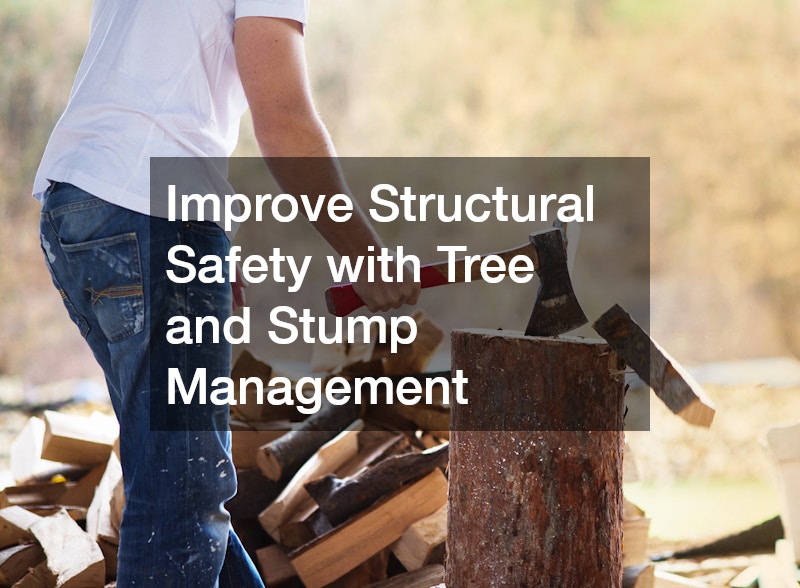
Improve Structural Safety with Tree and Stump Management
Mature trees near older homes can pose safety risks to the structure and surrounding landscape. Roots can destabilize foundations, while large branches may fall during storms. Using a local stump grinder to remove old or hazardous stumps prevents root regrowth and foundation damage. Professional tree management ensures that large or aging trees are properly pruned or removed safely. These preventive measures reduce the risk of accidents and costly repairs while maintaining a visually appealing property.
Tree and stump management also enhances long-term property stability. Properly maintaining trees ensures healthy growth, which can contribute to natural shade and energy efficiency over time. Stump removal creates space for new landscaping projects or expansions, allowing homeowners to maximize both aesthetics and safety. By integrating tree care into the renovation process, homeowners can protect their property, maintain value, and create safer outdoor spaces that complement a modernized home.
Integrate Smart Sprinkler and Irrigation Systems
Water efficiency is increasingly important in modern home renovations, especially for older properties with outdated or inefficient irrigation systems. Installing or upgrading sprinkler systems with automated, weather-sensitive technology ensures that lawns, gardens, and landscaped areas receive the precise amount of water needed for optimal growth. These systems help conserve water, reduce utility bills, and prevent common issues like overwatering or uneven irrigation. Homeowners can program watering cycles based on local rainfall, seasonal needs, or soil moisture levels, making maintenance more efficient and reducing the time spent manually managing outdoor watering. Pairing sprinkler upgrades with thoughtful landscaping improvements maximizes the benefits for both efficiency and curb appeal.
Smart irrigation solutions also offer long-term convenience and help protect the property’s structural and environmental health. Properly managed watering reduces soil erosion, minimizes foundation damage caused by excessive moisture, and promotes healthy plant growth by preventing disease from overly wet conditions. Combining automated irrigation with drought-tolerant or native plant selections creates a low-maintenance, sustainable landscape that aligns with modern water conservation standards. These upgrades ensure that older homes maintain outdoor beauty and functionality while supporting energy-efficient interior renovations, ultimately enhancing both comfort and long-term property value.
Upgrade Home Insulation and Air Sealing
Older homes often lose heat in the winter or cool air in the summer due to insufficient insulation and gaps around windows, doors, and the attic. Investing in modern insulation materials and comprehensive air-sealing solutions not only enhances indoor comfort but also significantly reduces energy consumption and utility costs. Addressing gaps, cracks, and poorly insulated areas ensures that your heating and cooling systems operate efficiently and prevents unnecessary strain on these systems. Proper insulation also helps control indoor humidity, minimizing moisture infiltration that can lead to mold growth, wood rot, and structural damage over time.
Air sealing and insulation upgrades become even more effective when paired with energy-efficient HVAC systems. Sealing leaks around plumbing lines, electrical conduits, vents, and recessed lighting prevents conditioned air from escaping while keeping outdoor air from infiltrating the home. Using advanced insulation options, such as spray foam, rigid foam boards, or high-performance fiberglass batts, increases thermal resistance while maintaining the home’s original architectural character. These upgrades help older homes achieve a consistent indoor climate, reduce energy bills, and improve overall performance, creating a space that is both comfortable and sustainable for modern living.

Enhance Exterior Aesthetics While Preserving Character
Efficiency and performance upgrades should never come at the expense of a home’s historic charm. Collaborating with a local siding company allows homeowners to repair or replace siding in a manner that matches the home’s original style, preserving its architectural integrity. Energy-efficient solutions, such as insulated doors, advanced windows, and reflective coatings, can be integrated subtly to improve thermal performance, reduce energy costs, and enhance comfort without altering the property’s visual appeal. By thoughtfully combining modern materials with traditional aesthetics, homeowners can enjoy a home that feels both timeless and technologically updated.
Balancing aesthetics and function ensures that renovations deliver both beauty and long-term value. Exterior upgrades—including siding, roofing, trim, and paint—can complement other improvements such as landscaping, insulation, and structural enhancements. These changes work together to enhance energy efficiency, protect the home from wear and weather, and maintain structural integrity. The result is an older home that retains its unique historic appeal while providing the comfort, convenience, and sustainability of a modern property. Strategic planning allows homeowners to enjoy the best of both worlds: preserving charm while achieving peak performance.
Renovating older homes for modern efficiency and performance involves a holistic approach that addresses systems, structure, and functionality, ensuring that every aspect of the home works together seamlessly. From exterior upgrades to plumbing, HVAC, insulation, and landscaping, each improvement contributes not only to energy savings but also to enhanced safety, comfort, and overall home durability. These strategies allow homeowners to preserve the home’s unique character, including architectural details and historical charm, while incorporating modern conveniences that make everyday living easier and more sustainable. Thoughtful renovations create a home that is both timeless and highly functional, capable of meeting the evolving needs of contemporary living while maintaining its original personality and appeal. By considering both aesthetics and performance, homeowners can enjoy a property that looks beautiful, operates efficiently, and adds long-term value.